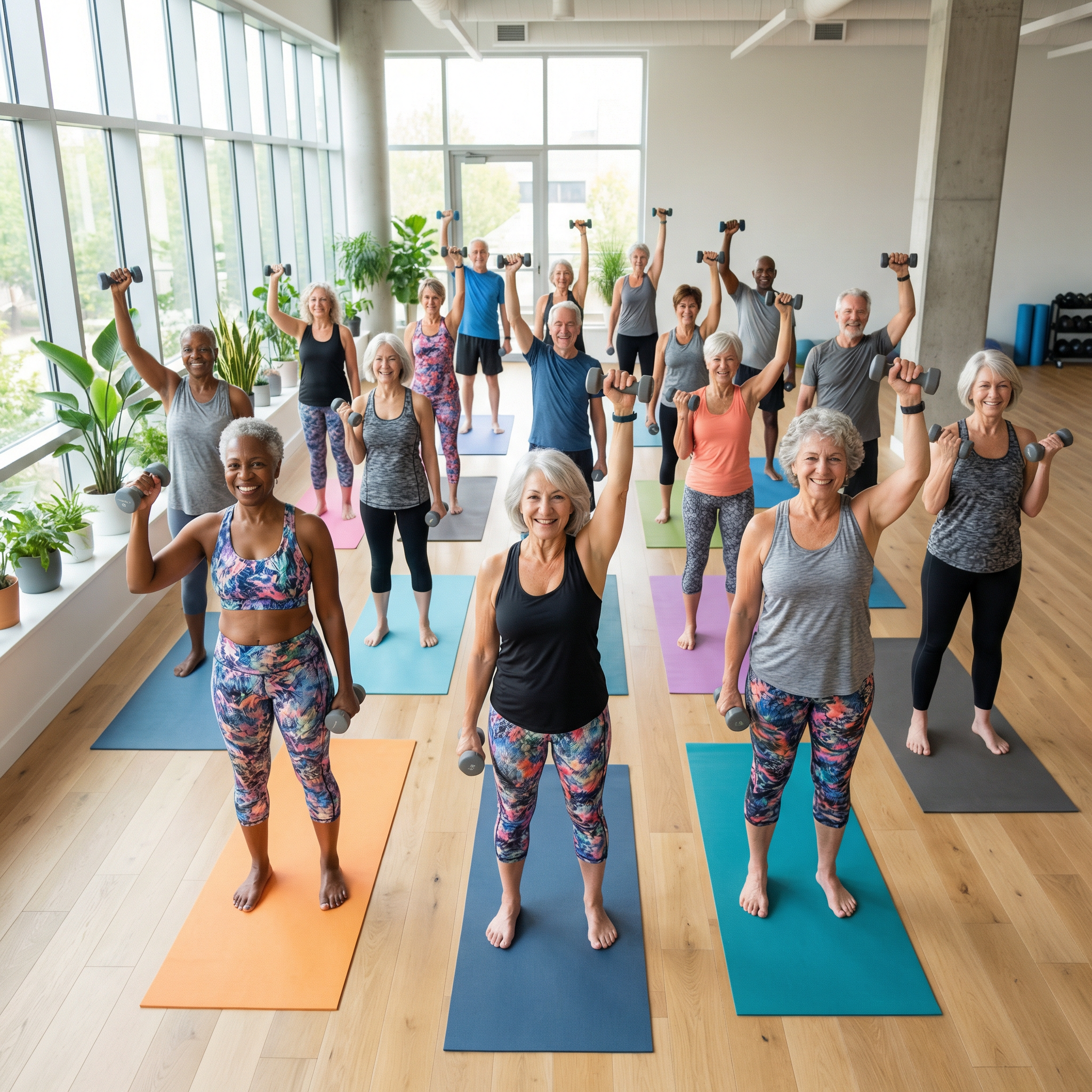
For those in the Generation X demographic—roughly ages 45 to 65 and beyond—life has reached a unique and often demanding stage. Careers are well established or winding down, children may be leaving home, and aging parents may require increasing care. At the same time, the body begins to send clearer signals that it is no longer as forgiving as it once was. In this phase of life, exercise is no longer just about appearance or athletic performance—it becomes a cornerstone of long-term health, independence, and quality of life.
As the body ages, natural physiological changes begin to occur. Muscle mass gradually declines in a process known as sarcopenia, metabolism slows, and bone density can decrease, increasing the risk of osteoporosis. Without intervention, these changes can lead to reduced strength, weight gain, decreased mobility, and a higher likelihood of injury. Regular exercise directly counteracts these effects, helping individuals maintain muscle, strengthen bones, and keep their bodies functioning at a high level.
Strength training becomes particularly important during this stage of life. While many people associate exercise primarily with cardio, maintaining and building muscle is critical for preserving independence as we age. Strong muscles support joints, improve balance, and reduce the risk of falls—one of the leading causes of injury in older adults. Even simple resistance exercises performed a few times a week can make a meaningful difference in maintaining strength and stability.
Cardiovascular health is another major area where exercise plays a vital role. As people enter their late 40s, 50s, and beyond, the risk of heart disease increases significantly. Regular aerobic activity—such as walking, cycling, swimming, or even light jogging—helps improve circulation, lower blood pressure, and reduce cholesterol levels. It also strengthens the heart itself, making it more efficient over time. For many in the Gen X crowd, incorporating consistent cardio exercise can be one of the most effective ways to protect against heart-related issues.
Beyond the physical benefits, exercise has a profound impact on mental health. This stage of life often brings a mix of reflection, stress, and sometimes uncertainty. Career transitions, financial pressures, and shifting family dynamics can all take a toll. Exercise acts as a natural stress reliever by promoting the release of endorphins, which elevate mood and reduce anxiety. It provides a mental reset, helping individuals approach challenges with greater clarity and resilience.
Cognitive health is another area where exercise proves invaluable. Research has shown that regular physical activity can improve memory, focus, and overall brain function. It increases blood flow to the brain and supports the growth of new neural connections. For a generation that values staying sharp and engaged, exercise is one of the most effective tools for maintaining cognitive vitality and reducing the risk of age-related decline.
Weight management also becomes more challenging with age due to slower metabolism and hormonal changes. Exercise helps regulate body weight by burning calories and improving metabolic efficiency. More importantly, it helps maintain a healthy body composition by preserving lean muscle mass while reducing excess fat. This balance is essential not only for appearance but for overall health, as excess weight is linked to conditions such as diabetes, joint issues, and cardiovascular disease.
Flexibility and mobility are often overlooked but are crucial components of a well-rounded fitness routine for Gen X individuals. Over time, joints can become stiffer, and range of motion may decrease. Incorporating stretching, yoga, or mobility-focused exercises can help maintain flexibility, reduce pain, and improve posture. These practices also enhance balance and coordination, further reducing the risk of falls and injuries.
Another important aspect of exercise at this stage of life is its role in maintaining energy levels. Many people in their 40s, 50s, and 60s report feeling more fatigued than they did in earlier years. While it may seem counterintuitive, regular physical activity actually increases energy by improving circulation, oxygen delivery, and overall efficiency of the body’s systems. Those who stay active often find they have more stamina and a greater ability to handle daily tasks.
Sleep quality is another area that benefits significantly from regular exercise. Many individuals in the Gen X age range begin to experience changes in sleep patterns, including difficulty falling asleep or staying asleep. Exercise helps regulate the body’s internal clock and promotes deeper, more restorative sleep. Better sleep, in turn, supports overall health, mood, and cognitive function.
Exercise also plays a key role in preventing and managing chronic conditions. Conditions such as type 2 diabetes, arthritis, and high blood pressure become more common with age. Regular physical activity helps control blood sugar levels, reduce inflammation, and improve joint function. In many cases, it can reduce the need for medication or enhance the effectiveness of existing treatments.
For the Gen X crowd, one of the most compelling reasons to prioritize exercise is the desire to maintain independence and quality of life. Staying physically active allows individuals to continue doing the things they enjoy—whether it’s traveling, playing with grandchildren, pursuing hobbies, or simply moving through daily life with ease. Exercise is not just about adding years to life; it’s about adding life to those years.
It is also worth noting that exercise does not need to be extreme or time-consuming to be effective. Consistency matters far more than intensity. A balanced routine that includes strength training, cardiovascular activity, and flexibility work can be tailored to fit any schedule or fitness level. Even small, regular efforts—such as daily walks or short home workouts—can produce significant benefits over time.
Equally important is finding activities that are enjoyable. Whether it’s hiking, dancing, cycling, or joining a group fitness class, enjoyment increases the likelihood of sticking with a routine. Social aspects of exercise, such as working out with friends or participating in community activities, can also enhance motivation and provide additional mental health benefits.
As the Gen X generation continues to move through this stage of life, the importance of proactive health choices becomes increasingly clear. Exercise stands out as one of the most powerful and accessible tools available. It supports the body, sharpens the mind, and enhances overall well-being in ways that few other habits can match.
Ultimately, the decision to prioritize exercise is an investment in the future. It is a commitment to staying strong, capable, and engaged in the years ahead. For those between 45 and 65 and beyond, it is not just important—it is essential.