
As you move into your 50s and beyond, exercise stops being optional and starts becoming essential. This is the stage of life where strength, mobility, balance, and endurance directly impact how well you live day to day. The goal isn’t just to stay fit—it’s to stay capable, independent, and pain-free for as long as possible.
The good news is you don’t need extreme workouts or complicated routines. What matters most is consistency and choosing exercises that support your body as it changes. Below are ten of the most effective exercises for maintaining strength, protecting your joints, and improving overall health after 50.
1. Walking
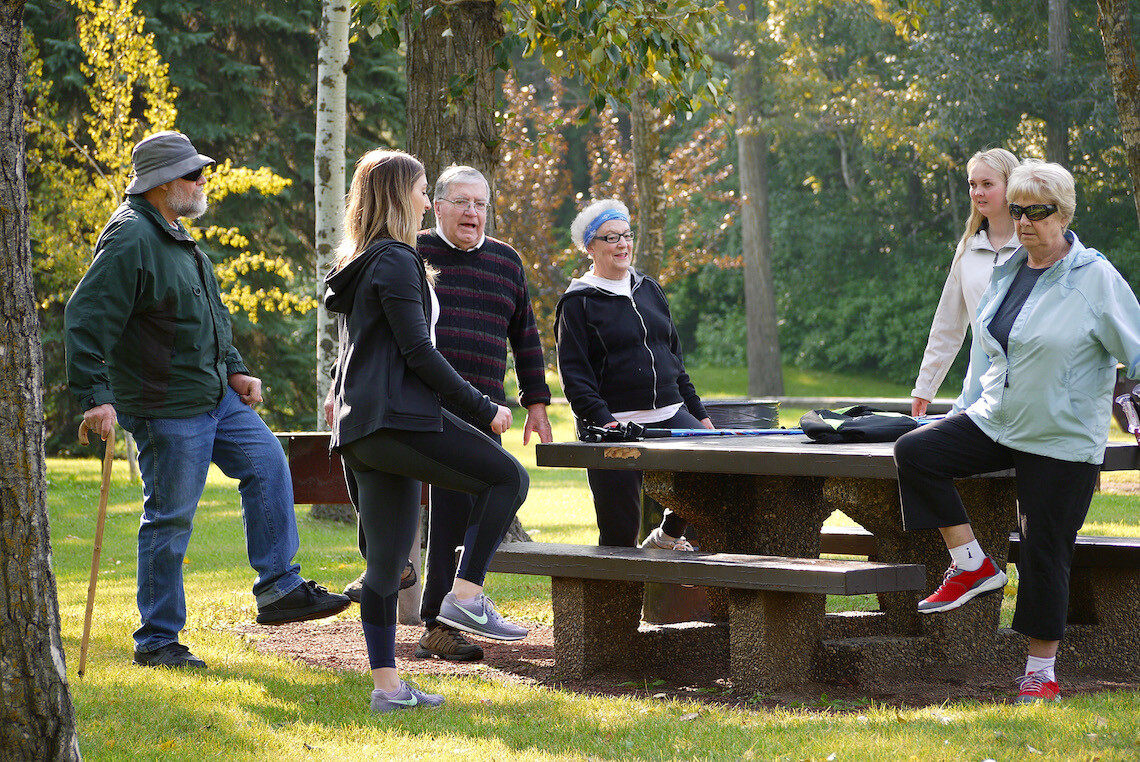


Walking is one of the simplest and most effective exercises you can do. It improves cardiovascular health, supports joint mobility, and helps manage weight without putting excessive strain on your body. A brisk 20–30 minute walk most days of the week can significantly improve heart health and energy levels.
2. Bodyweight Squats
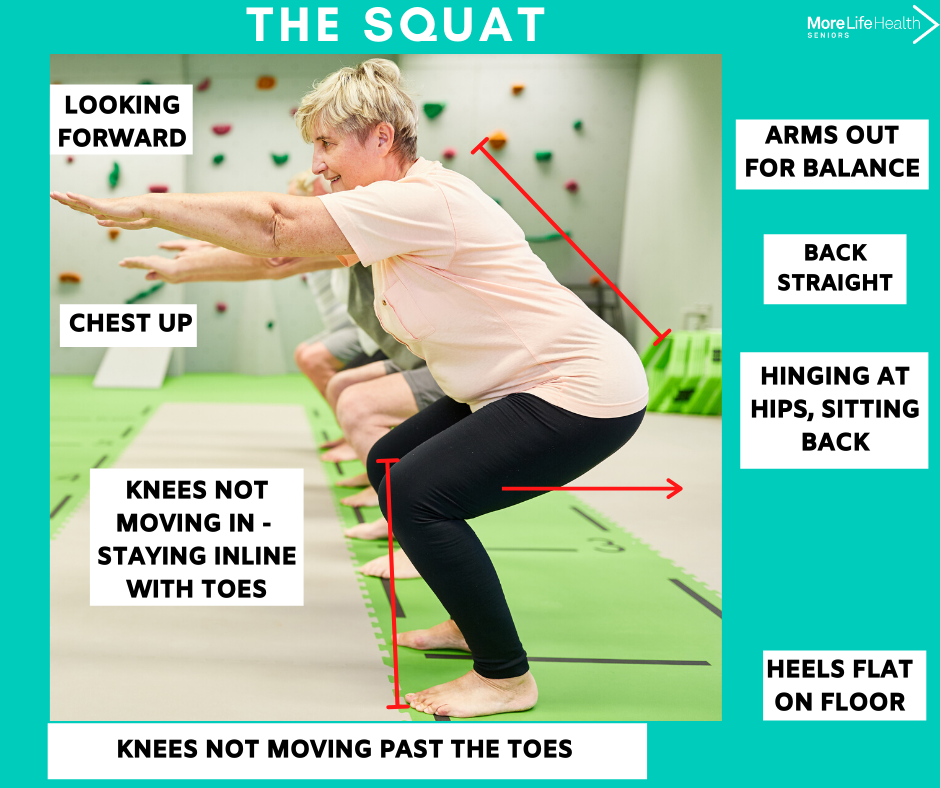
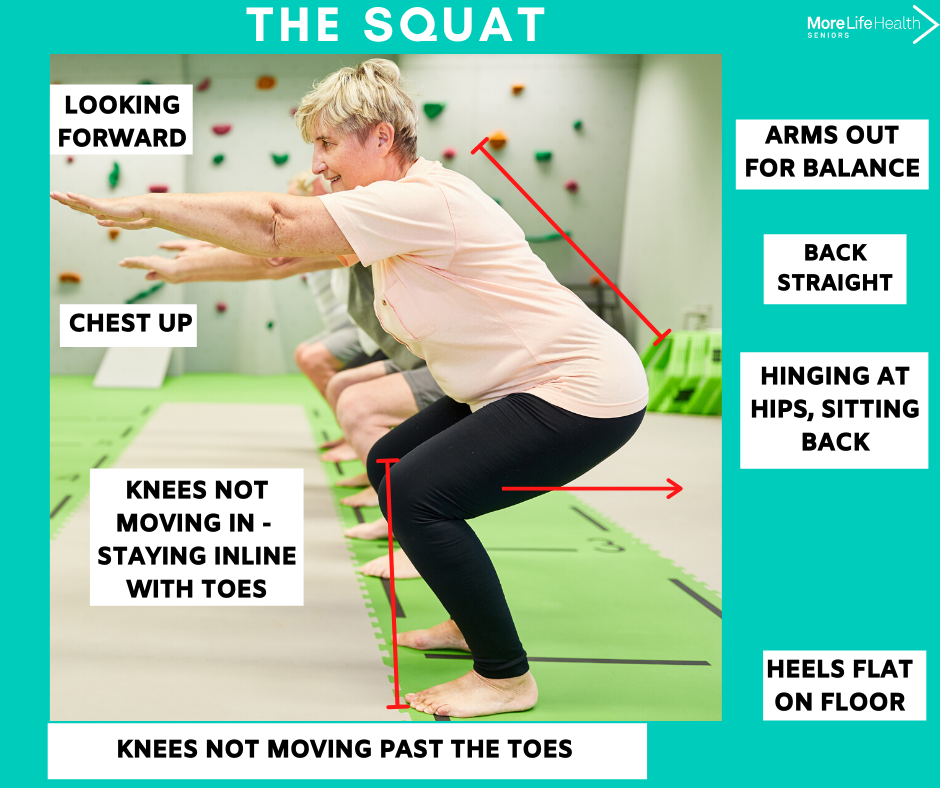

Squats are critical for maintaining lower body strength, which is essential for everyday activities like sitting, standing, and climbing stairs. If full squats are difficult, start with chair squats—sitting down and standing back up from a chair—to build strength safely.
3. Resistance Band Training
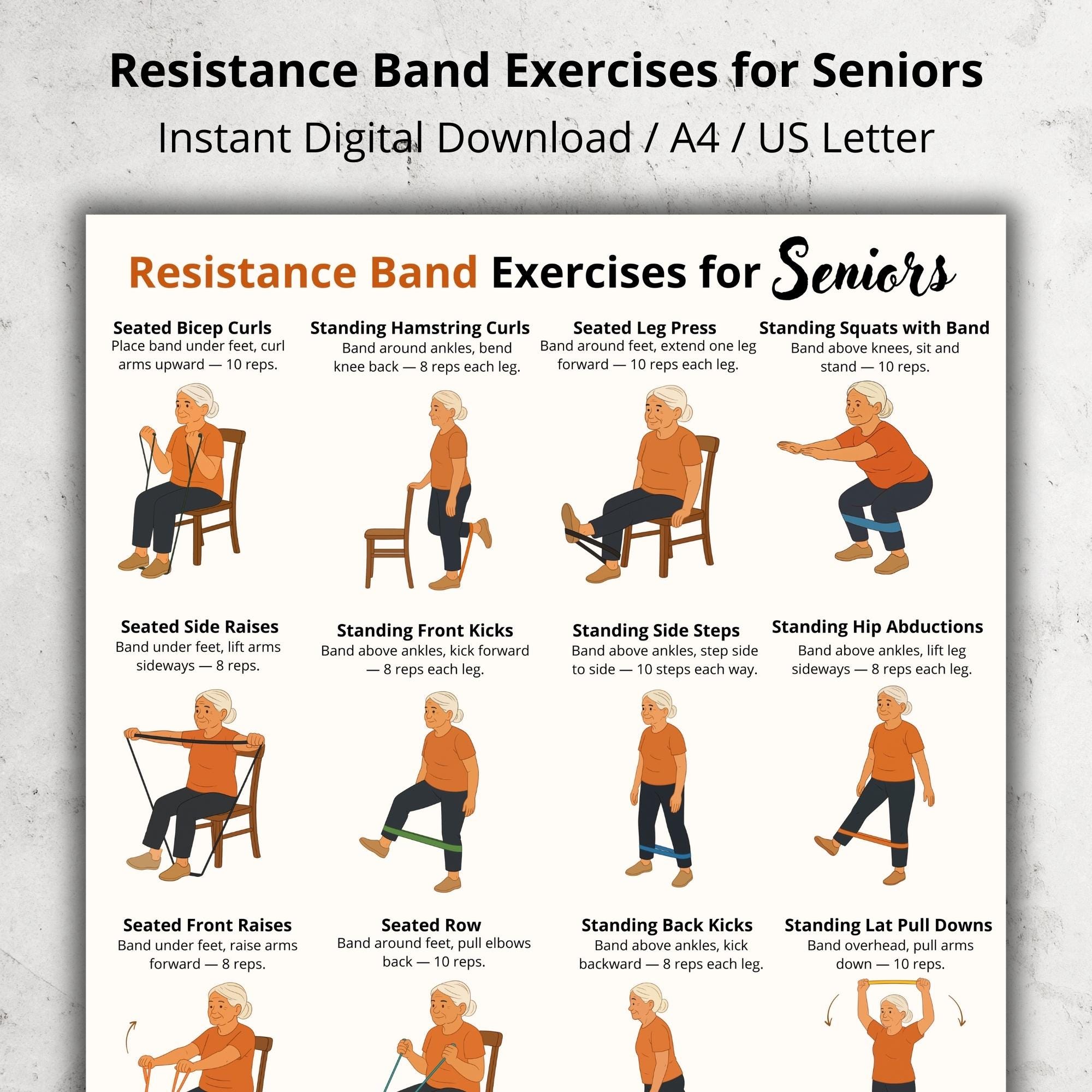
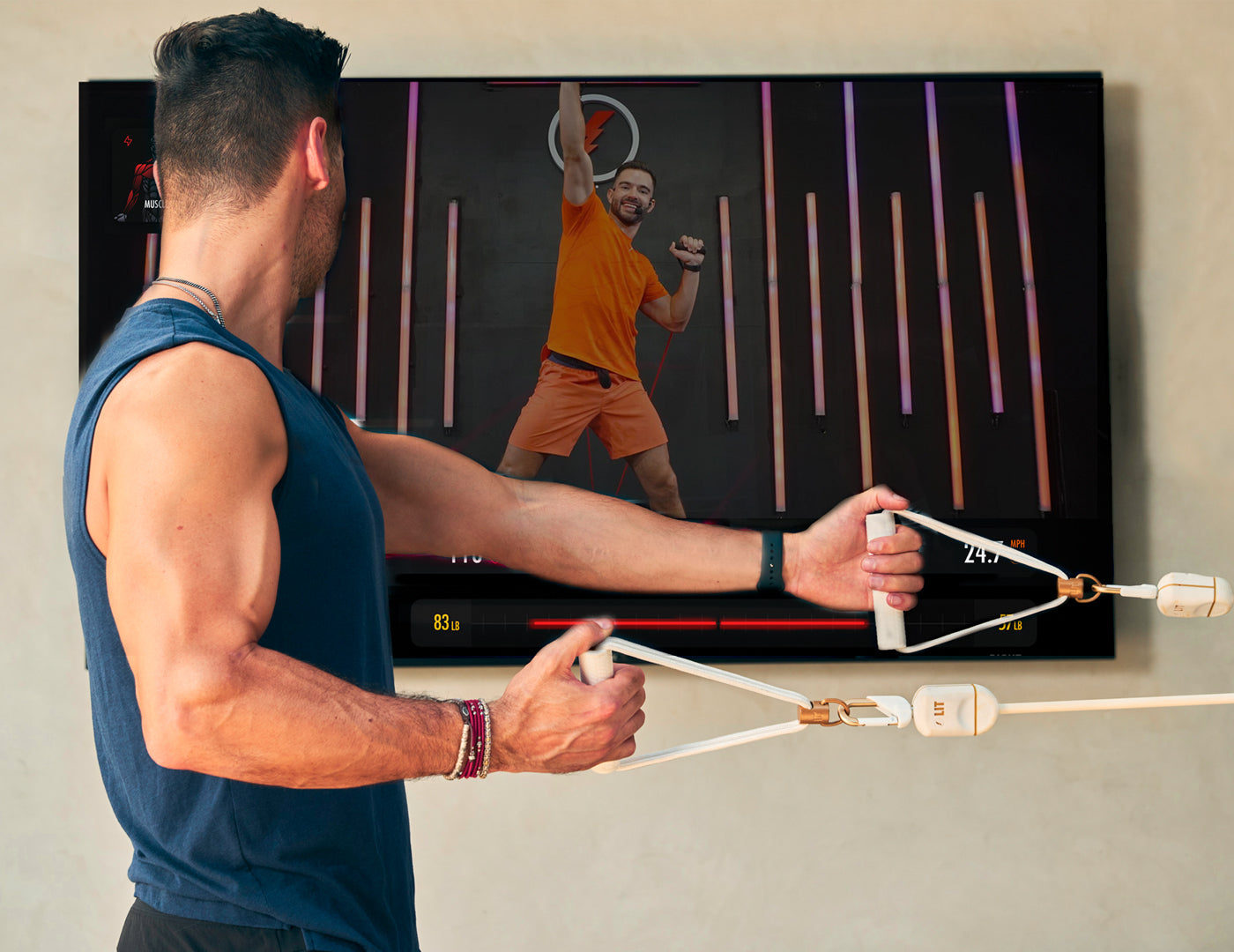
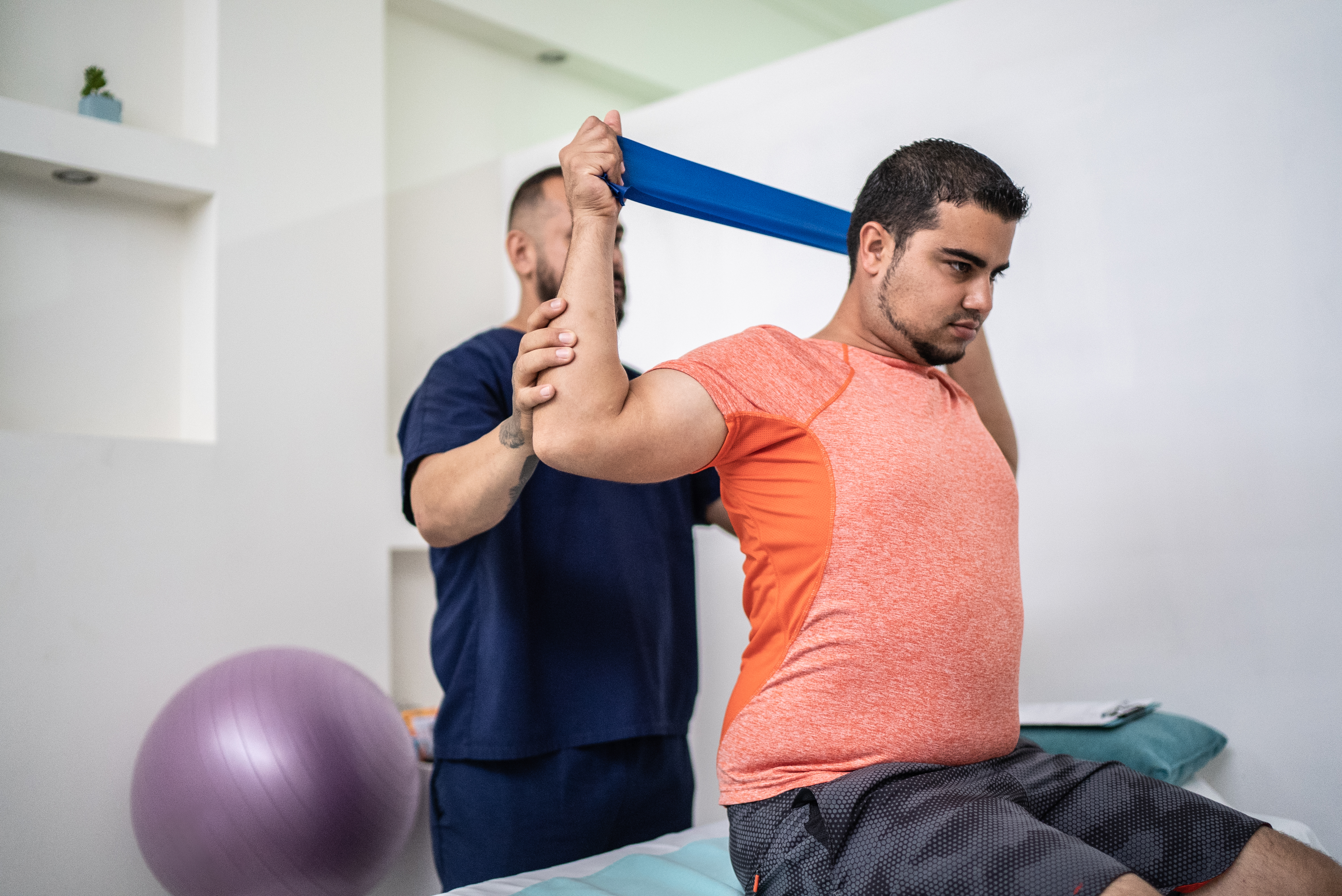
Resistance bands are excellent for building strength without heavy weights. They are easy on the joints and can be used for full-body workouts. They help maintain muscle mass, which naturally declines with age, and improve joint stability.
4. Swimming or Water Aerobics
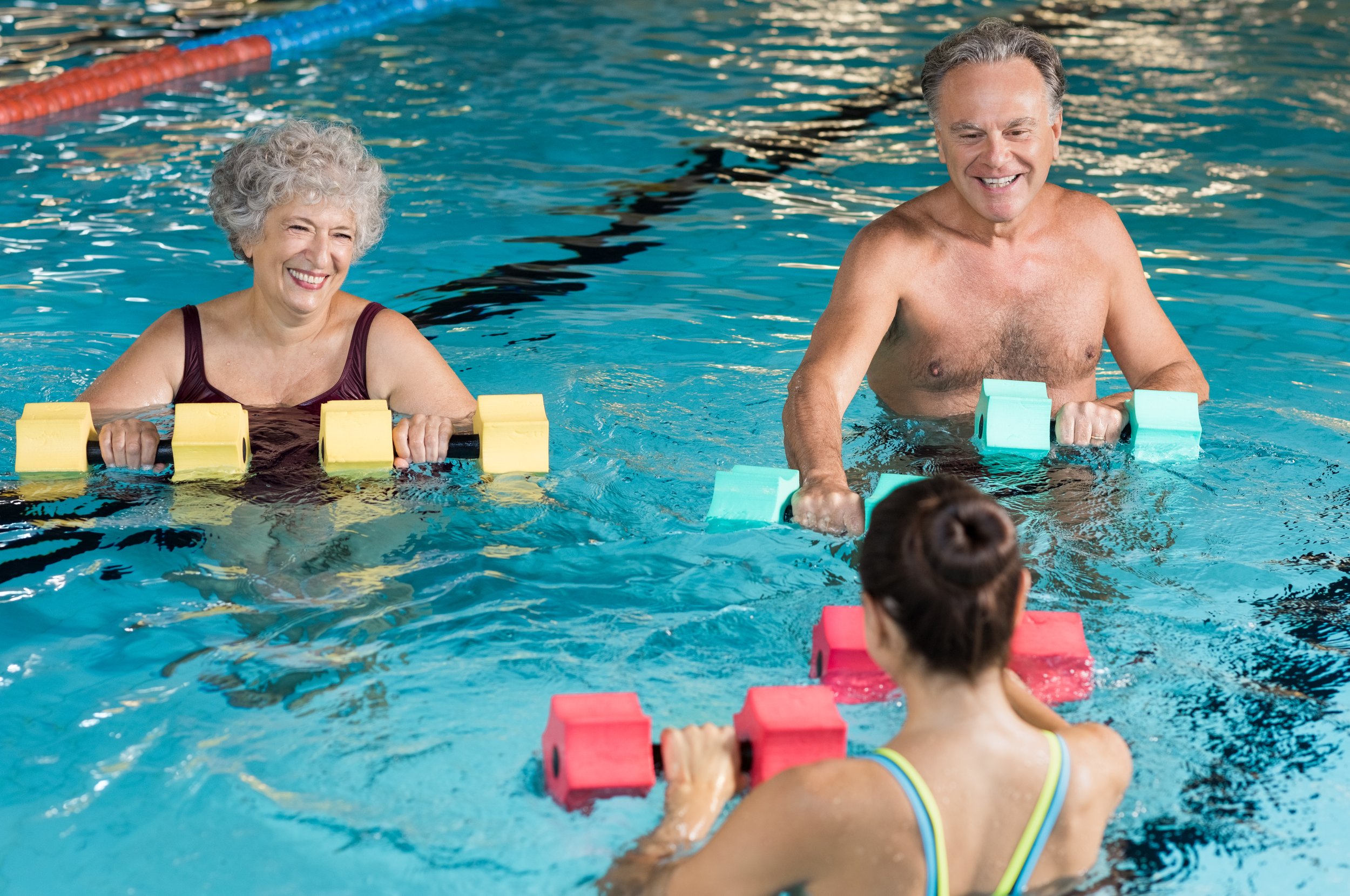

Water-based exercise is ideal for those dealing with joint pain or stiffness. The buoyancy of water reduces impact while still providing resistance, making it perfect for cardiovascular fitness and muscle strengthening without strain.
5. Yoga
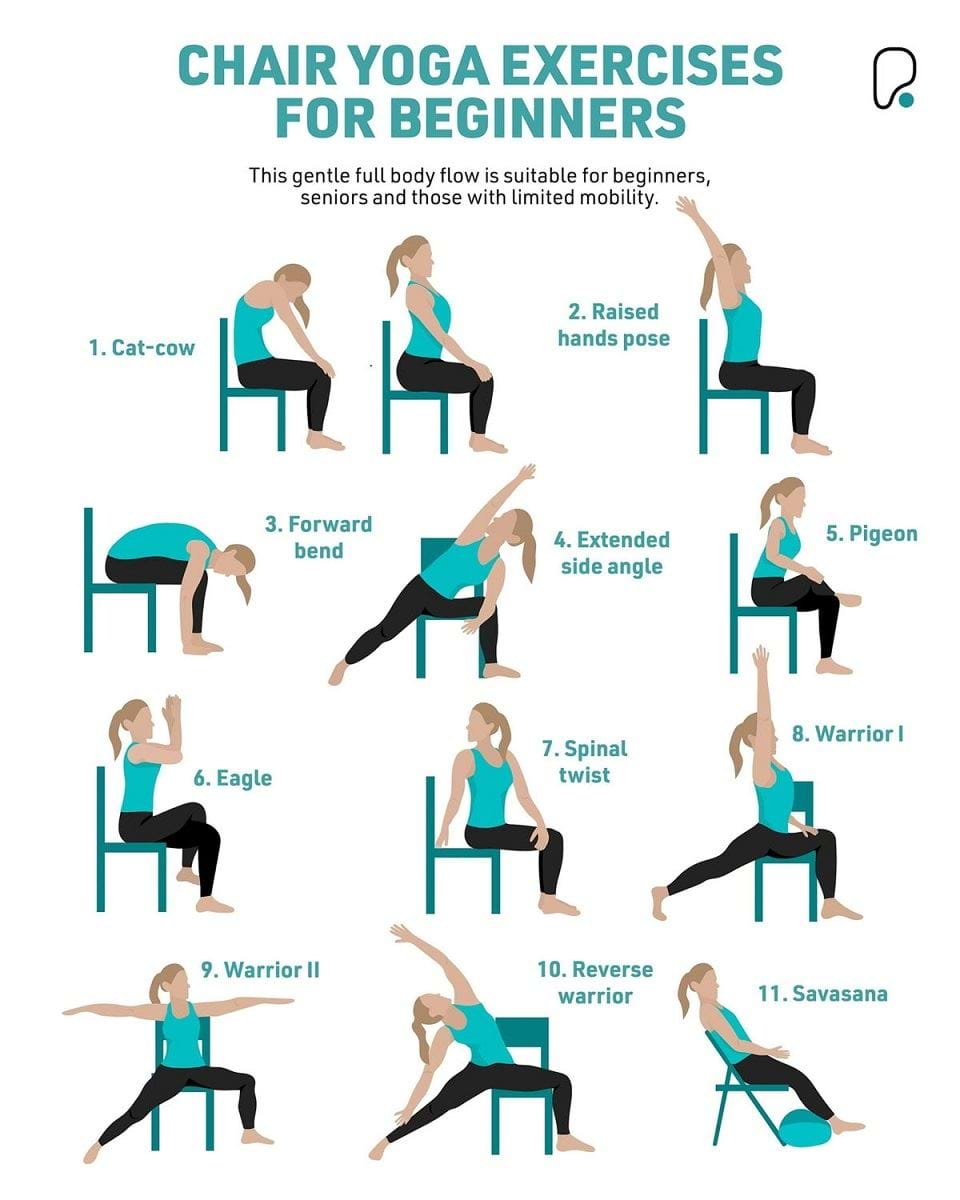
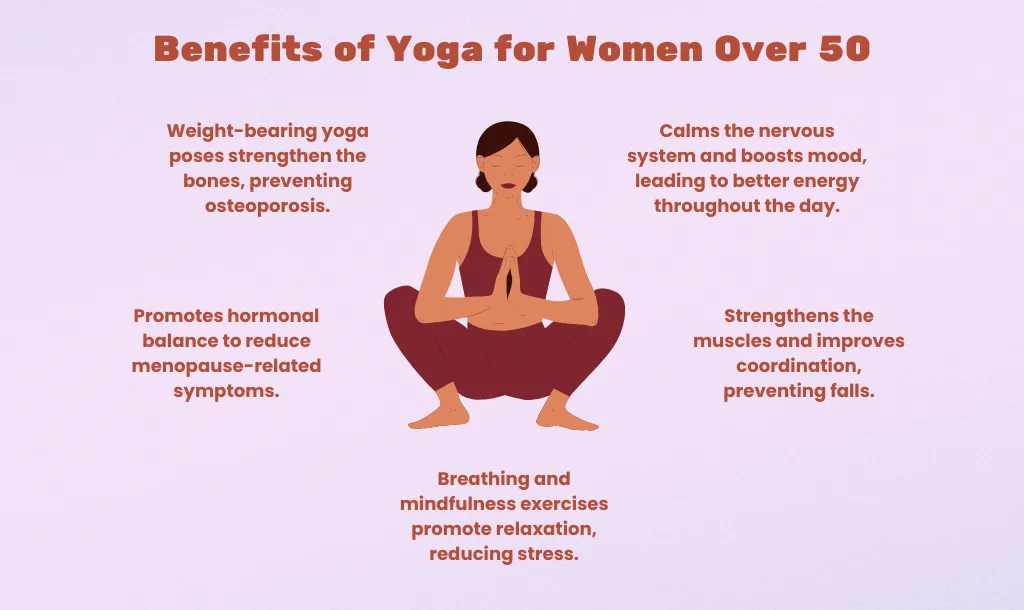
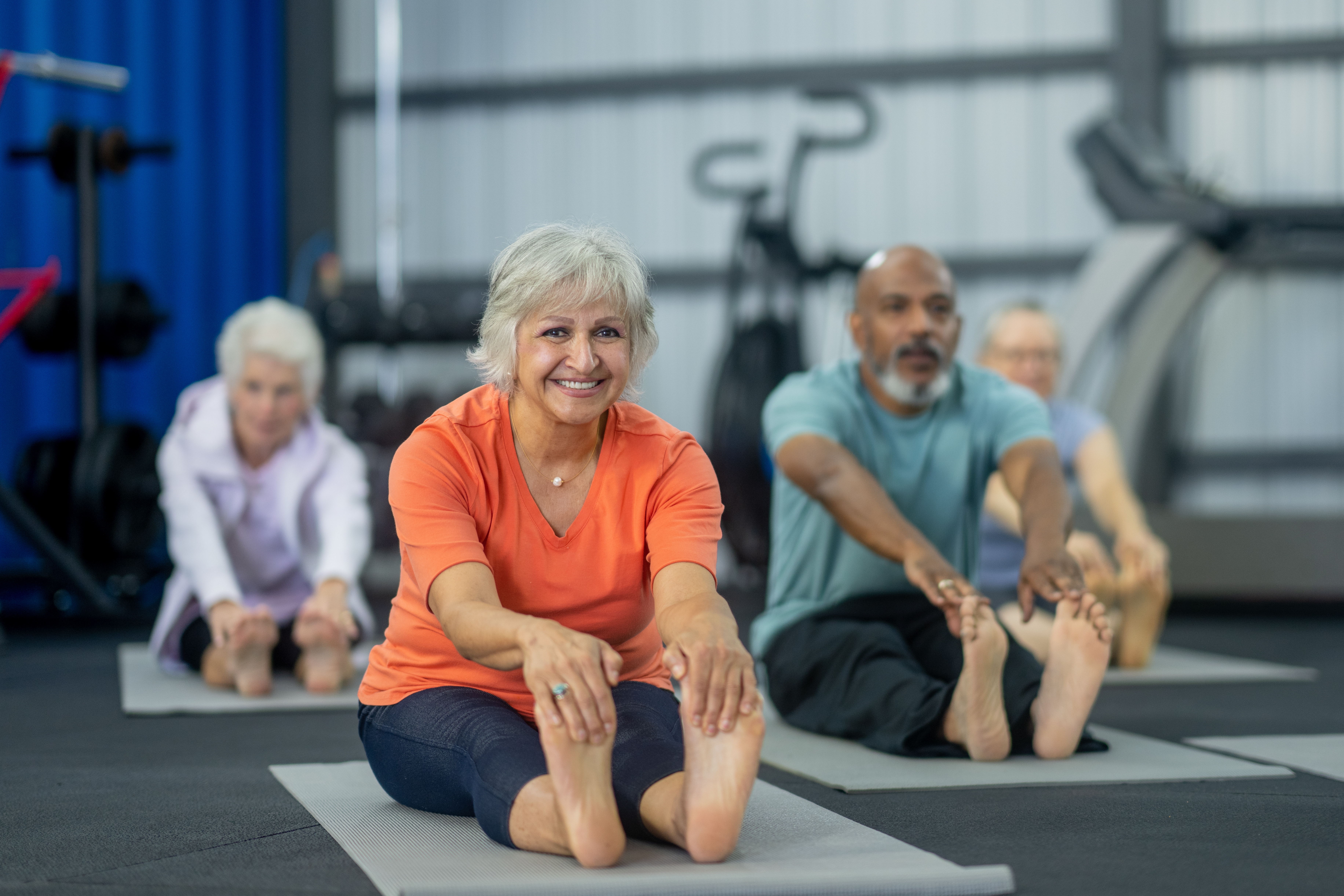
Yoga improves flexibility, balance, and mental clarity. It also helps reduce stress and improve posture. Regular practice can significantly decrease stiffness and improve mobility, especially in the hips, back, and shoulders.
6. Strength Training with Light Weights
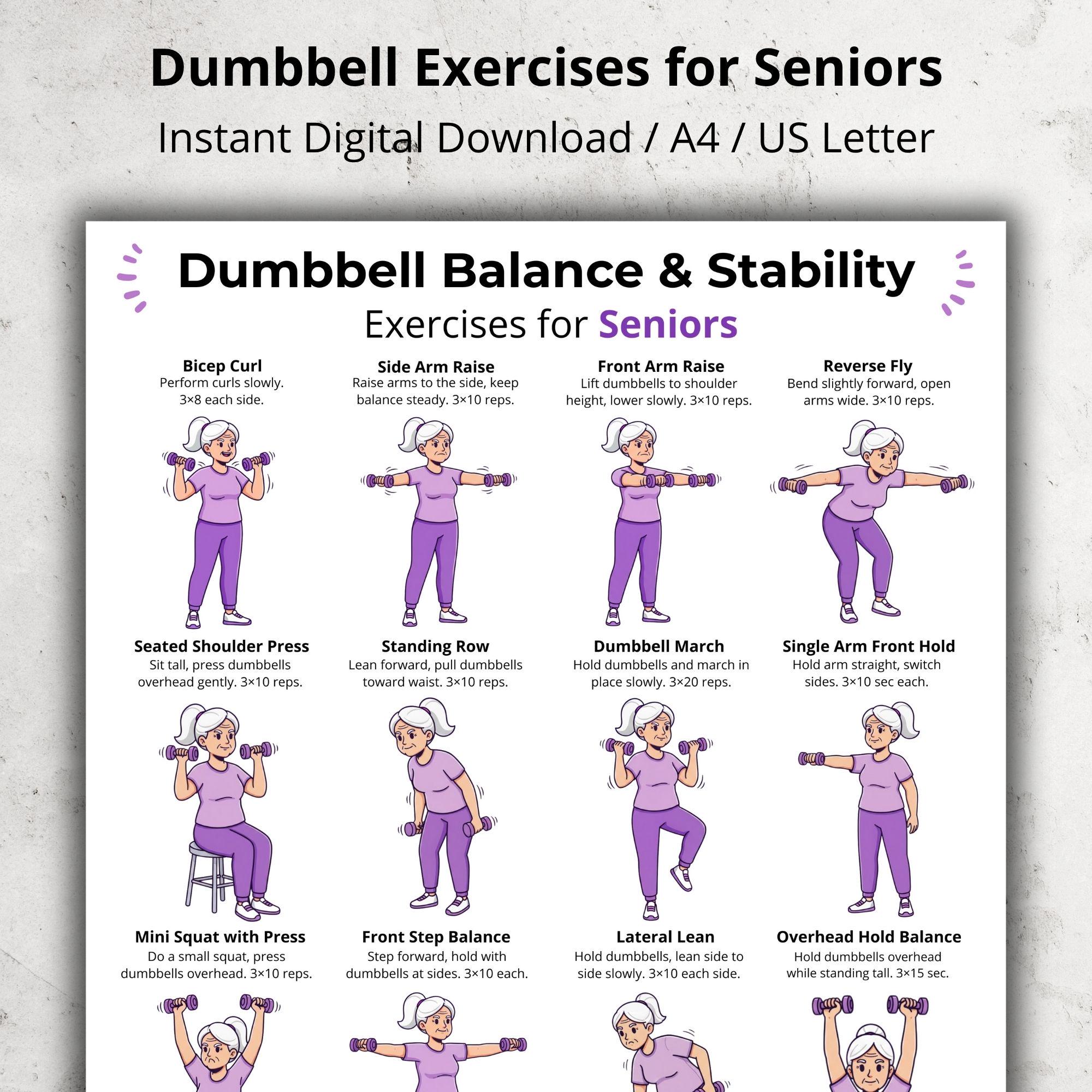

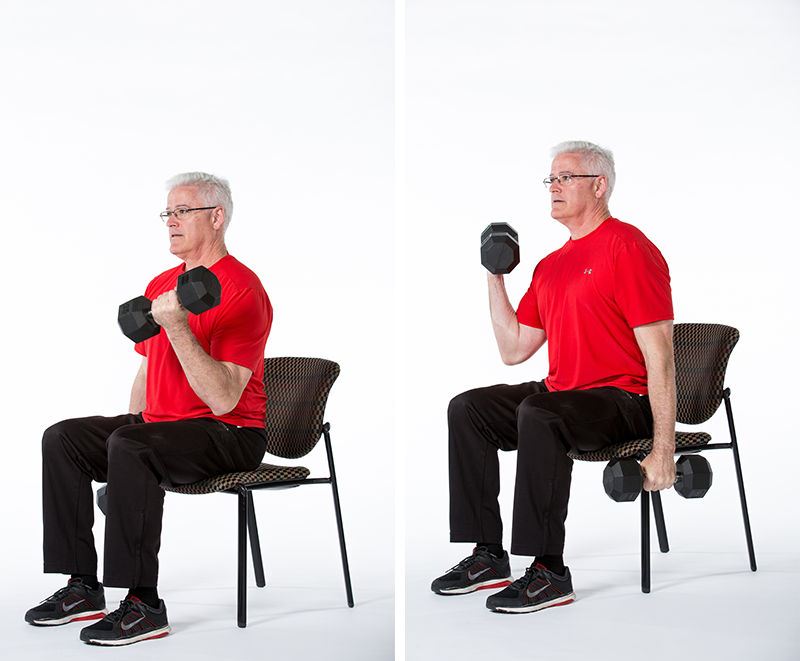
Using light dumbbells helps maintain muscle mass and bone density. This is crucial for preventing osteoporosis and reducing the risk of injury. Focus on controlled movements and proper form rather than heavy lifting.
7. Balance Exercises (Single-Leg Stands)

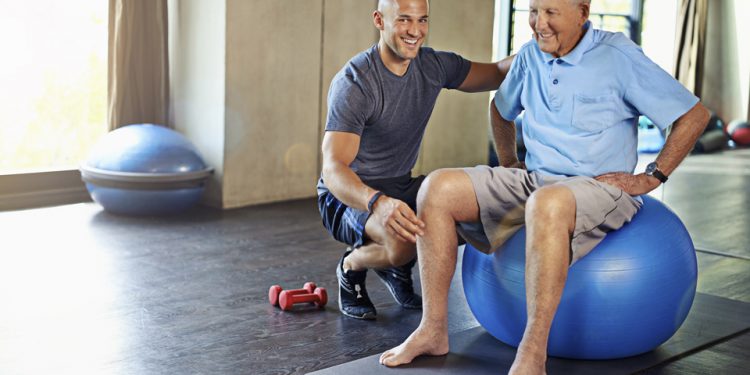
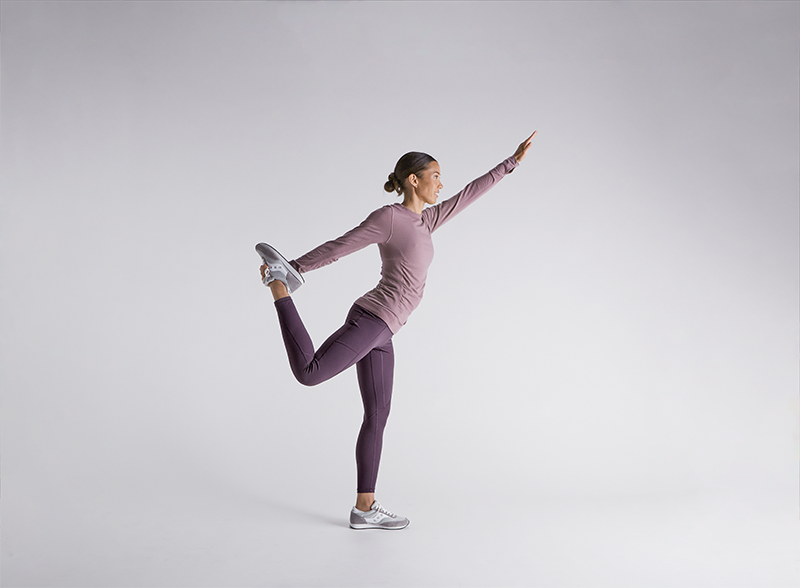
Balance declines with age, increasing the risk of falls. Simple exercises like standing on one leg (while holding onto a support if needed) can strengthen stabilizing muscles and improve coordination.
8. Cycling (Stationary or Outdoor)
Cycling is a low-impact cardio option that strengthens the legs and improves heart health. Stationary bikes, especially recumbent ones, are a great option for those with back or joint concerns.
9. Stretching and Mobility Work
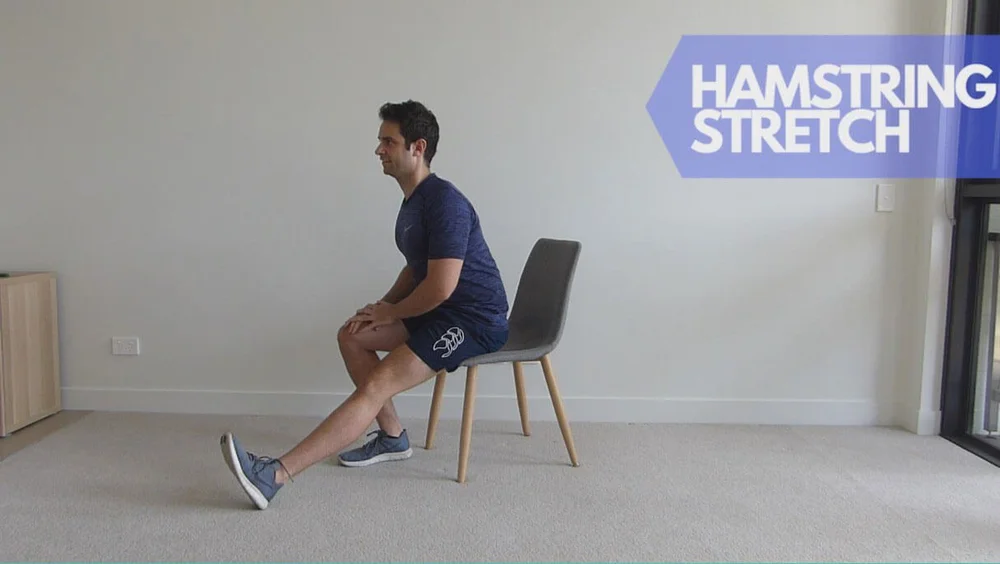


Daily stretching keeps muscles flexible and joints moving properly. It helps reduce stiffness, improve posture, and prevent injuries. Even 10 minutes a day can make a noticeable difference.
10. Core Exercises (Planks or Modified Planks)


A strong core supports your back, improves posture, and helps with balance. Modified planks (on your knees or against a wall) are a safe and effective way to build core strength without strain.
Final Thoughts
The key to fitness after 50 isn’t intensity—it’s consistency and smart choices. You don’t need to push your body to extremes. Instead, focus on exercises that build strength, improve mobility, and support your long-term health.
Start where you are. Modify movements when needed. Listen to your body.
Most importantly, keep moving.
Because the ability to move freely, without pain or limitation, is one of the greatest assets you can carry into the years ahead.